3.0
ParkAppsHub score
Best for: UK drivers who want cashless street and car park parking with SMS/app reminders before their session expires
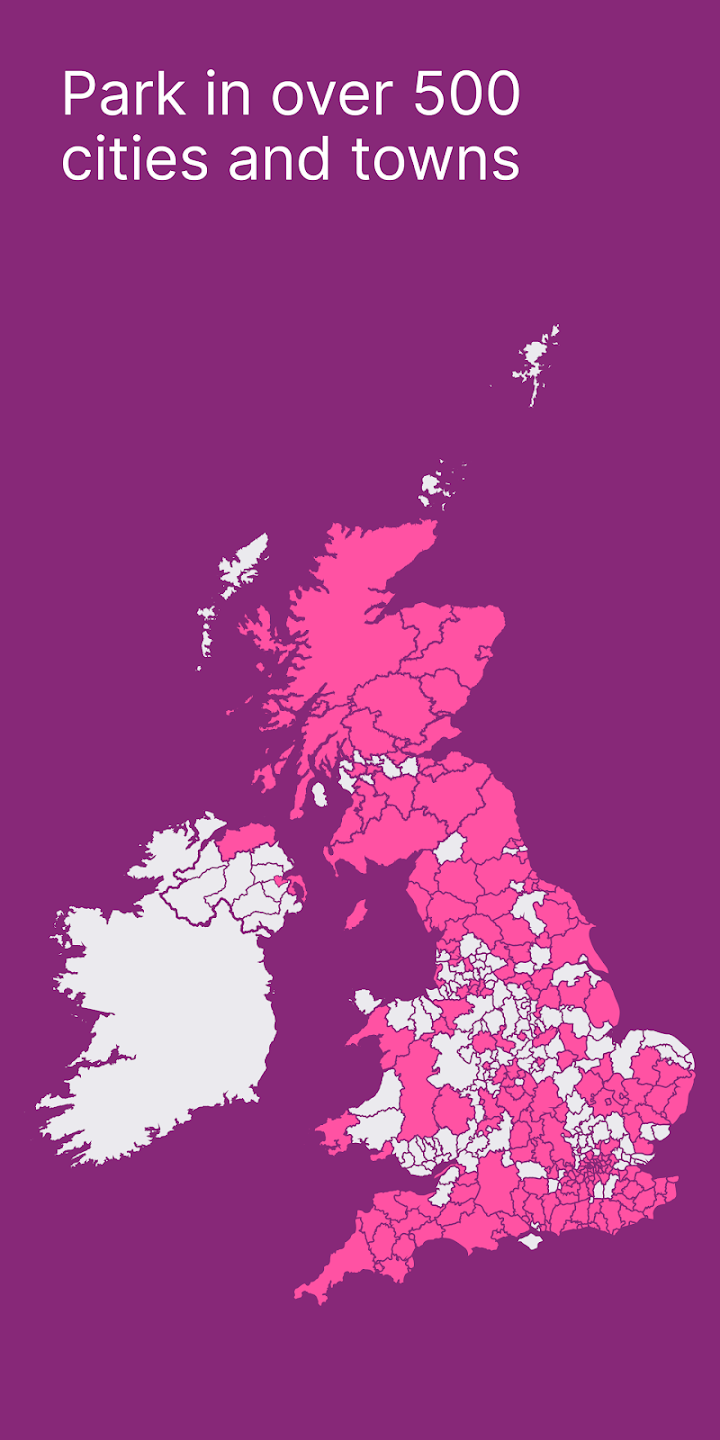
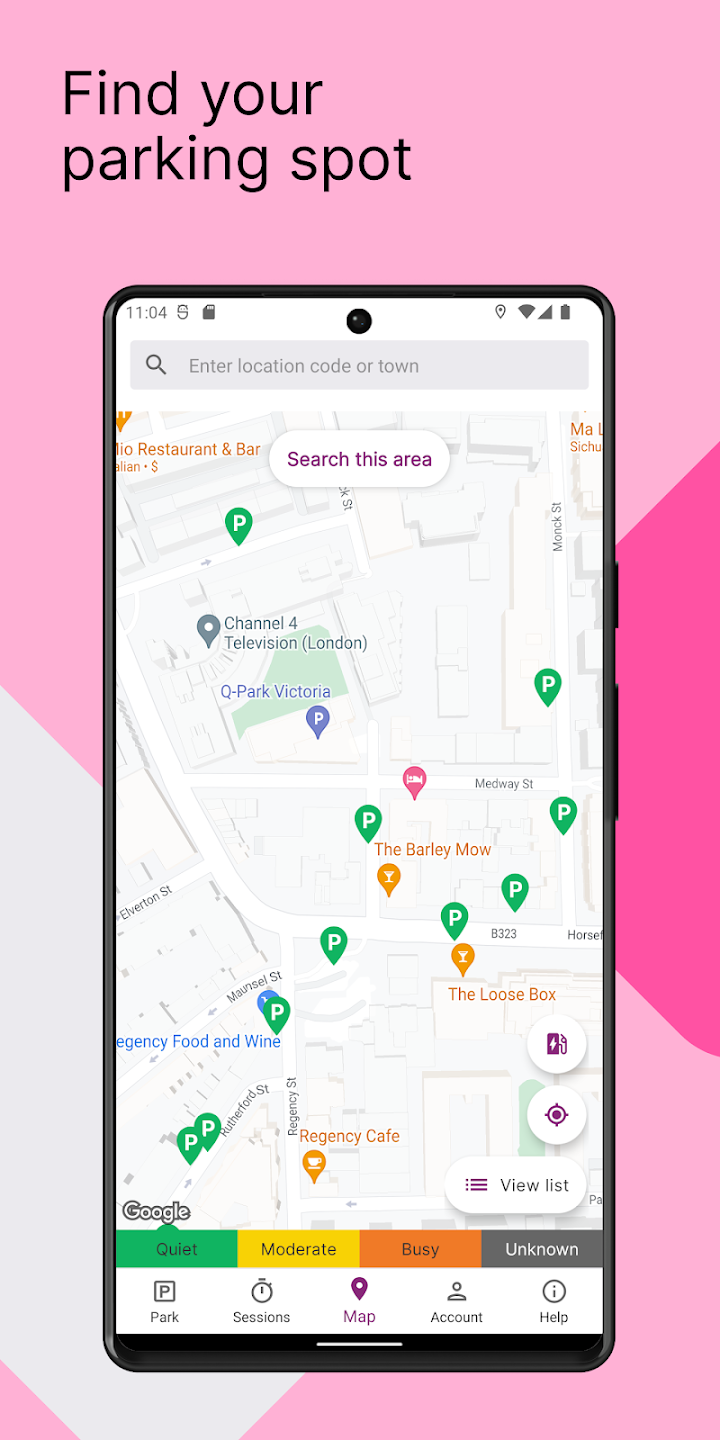
RingGo has been running pay-by-phone parking in Britain since 2005 and remains the closest thing the UK has to a default parking app. It is the contracted payment provider for hundreds of local authorities — including many London boroughs, Birmingham, Manchester, Edinburgh and Bristol — plus numerous private and rail-station car parks, adding up to over 500 towns and cities and around 17,000 locations. Drivers enter the zone number displayed on signage (or pick it from the map), pay the operator's tariff plus a convenience fee of roughly 20p at most sites, and can extend or end sessions remotely. Optional text reminders and receipts cost a few pence each, and drivers without smartphones can pay through an automated phone line or the myringgo website. The service is now owned by Arrive (formerly EasyPark Group), and its 2024 migration onto the group's shared platform proved rocky: store ratings collapsed amid complaints about forced logouts, failed payments and chatbot-only support. Coverage, not polish, is RingGo's trump card — on many English streets there is no realistic alternative — and its multi-channel access, business accounts and emissions-based tariff support keep councils signing on despite driver frustration.
Free · convenience fee (~20p) at most locations · optional paid SMS reminders
RingGo earns its place on reach alone: no other UK parking app approaches its footprint of 500-plus towns and roughly 17,000 zones, and on many council-run streets it is effectively the only way to pay by phone. The fundamentals are sensible — zone codes on signage, remote extensions, an IVR fallback for non-smartphone users, corporate accounts with VAT receipts. The problem is execution. Since the 2024 replatforming under Arrive (formerly EasyPark Group), ratings have cratered to 1.6 stars on Google Play and around 1.2 on Trustpilot, with recurring reports of login loops that burn through payment grace periods, duplicate charges, and support that begins and ends with a chatbot. Add per-session convenience fees and paid SMS reminders, and RingGo can feel like a toll on top of a toll. The verdict: an unavoidable utility rather than a good app — most UK drivers will need it installed, but they should check every charge.
PayByPhone covers more international cities (Canada, US, parts of Europe); RingGo has deeper UK council coverage and is the default option in many English towns.
Same parent company (Arrive) but EasyPark focuses on continental Europe and off-street garages, while RingGo is the UK-first on-street specialist.
JustPark also lets you book and rent private driveways/spaces in advance, which RingGo does not offer, but RingGo has wider live on-street meter coverage.
The app is free to download, but you pay the parking operator's tariff plus a convenience fee at most locations — typically around 20p per session, though some councils set it lower (7p in Cheshire East) or absorb it. Optional SMS reminders and receipts cost a few pence extra.
United Kingdom only. It covers more than 500 towns and cities and about 17,000 locations, including most London boroughs, Birmingham, Manchester, Edinburgh and Bristol, spanning council on-street zones, public car parks and many rail-station car parks.
No. Every RingGo location can also be paid via the automated phone line shown on signage or through the myringgo website, which helps drivers without smartphones or mobile signal.
After the 2024 migration to parent company Arrive's (formerly EasyPark Group) shared platform, users reported forced logouts, failed payments, duplicate charges and chatbot-only support, dragging the Google Play rating down to about 1.6 stars.
Yes. Sessions can be extended or stopped from the app or by phone up to the location's maximum stay, and enforcement is done by number plate, so no ticket needs to be displayed.
RingGo is a payment intermediary, not the enforcement authority, so any parking charge notice (PCN) must be disputed directly with the local council or landowner, though RingGo can usually supply a payment confirmation as evidence.
RingGo primarily focuses on parking payments rather than EV charging; some councils link EV bay parking fees through the app, but dedicated charging-session payment is limited compared to specialist EV charging apps.
Sessions can typically be ended early through the app, but the convenience fee is non-refundable and unused time on a pre-paid tariff is generally not reimbursed by the council.
RingGo is a UK cashless parking payment service, part of Arrive (formerly EasyPark Group), a global mobility payments group also behind EasyPark. Founded in 2002, RingGo lets drivers pay for on-street and car park parking by app, phone call, or SMS across hundreds of UK local authorities, avoiding cash and ticket machines. The company has grown to become one of the most widely used parking payment apps in Britain, processing millions of transactions and partnering directly with councils to manage parking zones digitally.
540+ UK local authorities — including London, Manchester, Birmingham, Edinburgh, Bristol, Leeds, Cambridge, Oxford.
Independent review. ParkAppsHub is not affiliated with RingGo (Arrive, formerly EasyPark Group). App name, logo and screenshots belong to their owners and are shown for identification and review purposes. Coverage, prices and features change — verify current conditions with the publisher. Last reviewed 2026-08-06.
 EasyPark
 JustPark
 Parclick
 Parkster - Smooth parking